
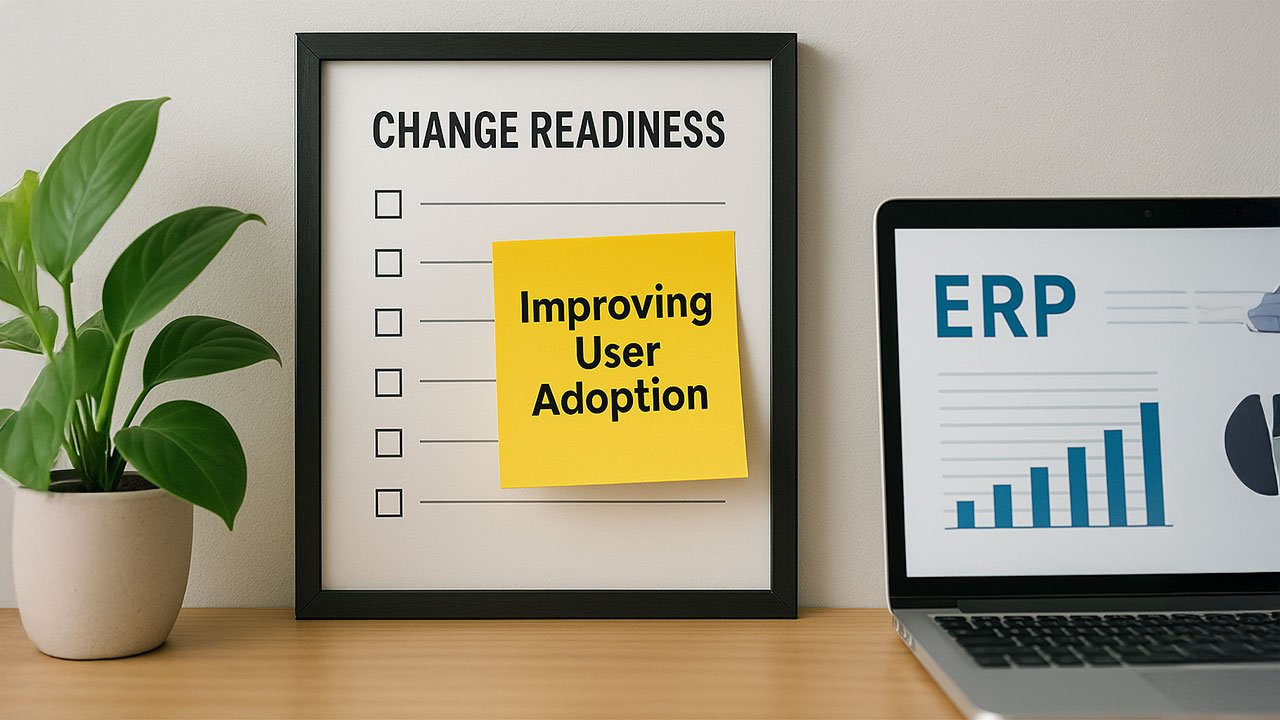
A successful ERP implementation isn’t defined only by technology—it’s defined by people. Even the most advanced system can fail if employees don’t use it effectively. User adoption and change readiness are often the biggest challenges in implementing Microsoft Dynamics 365 or any modern ERP solution. Preparing teams for the transition and helping them embrace new ways of working are key steps toward long-term success.
At DAX Software Solutions, every Dynamics 365 project includes a strong focus on people. DAX combines technical expertise with structured change management to ensure employees are informed, confident, and ready to use the new system from day one.
1. Building Awareness and Communication
User adoption starts with awareness. Employees must understand why the organization is investing in a new ERP and how it benefits them personally.
DAX helps clients:
- Communicate the purpose and goals of the ERP project in simple, relatable terms.
- Highlight benefits such as time savings, reduced manual effort, and improved visibility.
- Create communication plans that keep everyone informed throughout the project lifecycle.
When people see how the system makes their jobs easier, they are more motivated to engage.
2. Encouraging Involvement and Ownership
Too often, ERP decisions are made by executives or IT teams alone. DAX promotes cross-functional collaboration by including users from finance, sales, operations, and other departments early in the process.
This approach helps to:
- Ensure the system reflects real-world business needs.
- Build a sense of ownership and accountability among users.
- Encourage faster feedback loops during design and testing.
Involvement turns employees from passive recipients into active contributors.
3. Delivering Effective, Role-Based Training

Training is the foundation of successful ERP adoption. Users need confidence navigating Dynamics 365 before go-live.
DAX provides:
- Role-based training programs tailored to each department’s daily tasks.
- Interactive workshops and guided tutorials that build hands-on skills.
- Self-help resources for continuous learning post-implementation.
This ensures employees know exactly how to perform their work in the new environment.
4. Addressing Resistance and Building Confidence
Even after training, some employees may resist change. Resistance often stems from fear of the unknown.
DAX’s approach includes:
- Personalized support and open communication channels for quick assistance.
- Recognizing early adopters and sharing internal success stories.
- Offering feedback sessions where concerns can be voiced safely.
When users feel heard and supported, adoption naturally increases.
5. Shaping a Culture of Change Readiness
Change readiness is about mindset, not just training. Teams that see change as an opportunity adapt faster and perform better.
DAX works with leadership to:
- Foster a culture that welcomes continuous improvement.
- Coach managers to guide teams through transitions.
- Celebrate milestones to maintain motivation during long projects.
This mindset shift ensures that change becomes a shared success, not a source of disruption.
6. Rolling Out in Phases for Smoother Go-Live
A well-planned go-live strategy prevents overwhelm and confusion.
DAX recommends:
- Phased rollouts—starting with core modules and expanding gradually.
- Collecting early user feedback after each phase.
- Making necessary adjustments before the next rollout.
This incremental approach builds user confidence while maintaining project momentum.
7. Providing Continuous Support and Optimization
ERP adoption doesn’t end at go-live. Users need real-world support as they encounter new challenges.
DAX ensures ongoing success through:
- Dedicated help desk and post-implementation support.
- Refresher training sessions to reinforce learning.
- Regular system reviews to identify improvement opportunities.
This continuous engagement helps maintain confidence and system efficiency.
8. Measuring Adoption Success with Clear KPIs
You can’t improve what you don’t measure. DAX helps clients establish Key Performance Indicators (KPIs) to track adoption progress.
Common metrics include:
- Active user participation rates.
- Transaction completion times.
- Error or rework frequency.
- System usage across modules.
Ongoing monitoring ensures that the ERP continues to deliver measurable business value.
9. Building Internal Champions
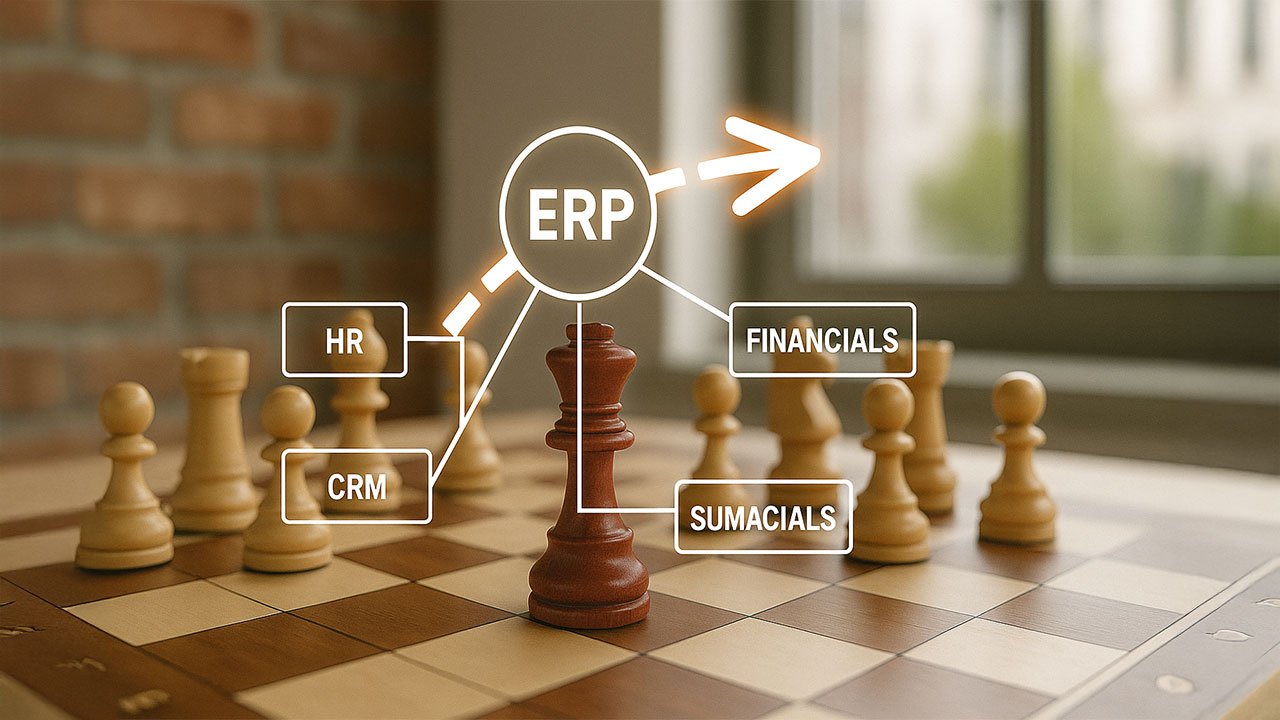
One of the most sustainable adoption strategies is creating internal champions—employees who advocate for and assist others.
DAX helps identify and train champions to:
- Support peers in daily ERP tasks.
- Share best practices and troubleshooting tips.
- Promote a positive attitude toward system usage.
Over time, these champions become a self-sustaining support network inside the organization.
10. Sustaining Adoption Beyond Implementation
ERP adoption is an evolving process. As Dynamics 365 introduces updates and new features, users must continue to learn and adapt.
DAX supports long-term success through:
- Regular feature update briefings.
- Continuous training and optimization sessions.
- Long-term partnership models for ERP growth and innovation.
By focusing on people as much as technology, DAX ensures your ERP investment continues to deliver value year after year.
Conclusion
A successful ERP implementation is not just a technical milestone—it’s a human achievement.
With strong communication, training, and support, DAX Software Solutions helps organizations build confident teams that embrace change and unlock the full potential of Microsoft Dynamics 365. The result is a unified, empowered workforce that drives business transformation.
Contact Us → DAX Software Solutions
Looking for support with Dynamics 365?
With 20+ years of industry experience in ERP and CRM, DAX is proficient in crafting tailored solutions to meet the needs of businesses.